Home Inspection Explained: What to Expect and Key Tips for Homebuyers
Buying a home is one of the biggest financial decisions most people will ever make. Whether you’re a first-time buyer or a seasoned homeowner, a professional home inspection plays a critical role in protecting your investment. It helps you understand the true condition of the property before you commit, so there are no costly surprises later.
At Nothing Missed Home Inspections, we believe an informed buyer is a confident buyer. In this guide, we’ll walk you through exactly what happens during a home inspection, what inspectors look for, how to prepare, and key tips to get the most value from your inspection.
What Is a Home Inspection?
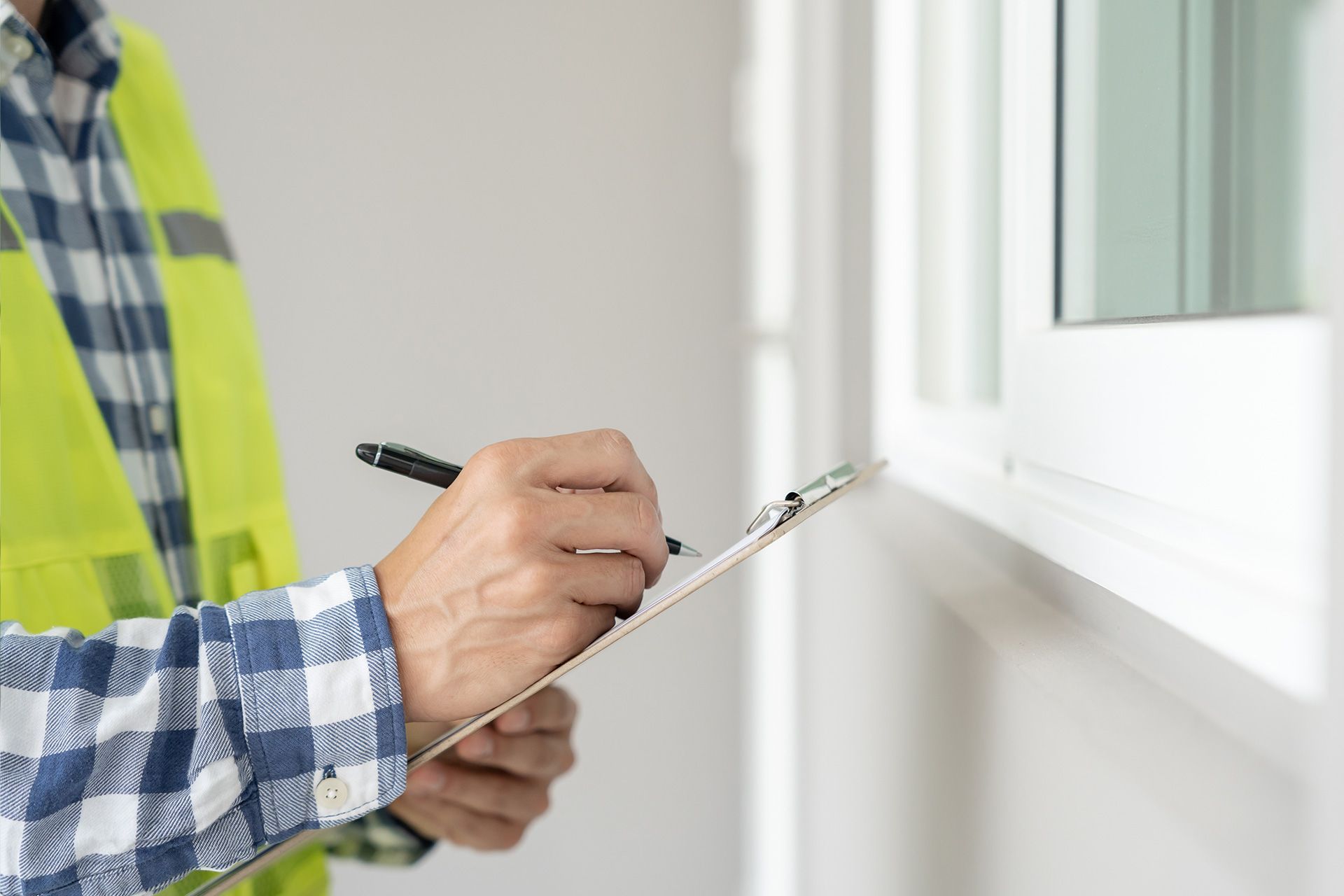
A home inspection is a detailed, non-invasive evaluation of a property’s visible and accessible systems and components. It is typically performed during a real estate transaction before closing, but it can also be done for maintenance or pre-listing purposes.
The goal is simple:
To identify existing problems, potential issues, and safety concerns so you can make an informed decision.
A standard home inspection usually covers:
- Roof system
- Foundation and structure
- Electrical systems
- Plumbing systems
- Heating and cooling (HVAC)
- Interior and exterior conditions
- Attic, insulation, and ventilation
What Happens During a Home Inspection?
Understanding the process can help you feel more confident and prepared. Here’s what typically happens from start to finish.
1. Initial Walkthrough
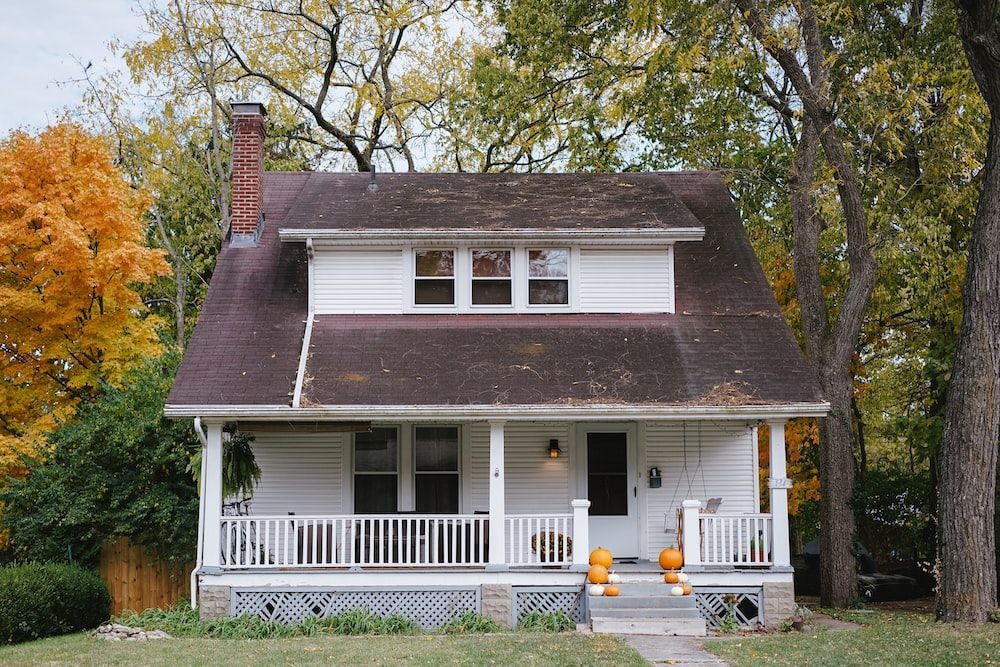
The inspector begins with a general overview of the home’s exterior and structure. This includes looking at grading, drainage, rooflines, and visible damage.
2. Exterior Inspection
The outside of the home is carefully evaluated for:
- Roof condition (missing shingles, leaks, aging)
- Gutters and drainage systems
- Siding and exterior walls
- Windows and doors
- Driveways, walkways, and grading
Florida homes are especially vulnerable to wind and moisture issues, so exterior evaluation is crucial.
3. Roof Inspection
The roof is one of the most important parts of the inspection. Inspectors check for:
- Shingle condition or roof covering wear
- Flashing issues
- Signs of leaks or water intrusion
- Structural integrity
In many cases, inspectors may also use drone technology when the roof is unsafe or difficult to access.
4. Interior Inspection
Inside the home, inspectors review:
- Walls, ceilings, and floors
- Doors and windows functionality
- Signs of moisture damage or stains
- Evidence of mold or poor ventilation
They also test basic functionality of fixtures and observe any visible defects.
5. Electrical System
Electrical safety is a major part of the inspection. The inspector checks:
- Electrical panel condition
- Wiring type and safety concerns
- Outlets and switches
- Grounding and bonding issues
Outdated or faulty wiring can pose serious fire risks, so this step is critical.
6. Plumbing System
The plumbing system is checked for leaks, water pressure, and drainage issues. Inspectors evaluate:
- Faucets, sinks, and toilets
- Visible piping and connections
- Water heater condition
- Signs of leaks or corrosion
Even small leaks can lead to major long-term damage if ignored.
7. HVAC System
Heating, ventilation, and air conditioning systems are tested for proper operation.
Inspectors look at:
- Cooling and heating performance
- Thermostat function
- Airflow and duct condition
- Maintenance issues or age of system
8. Attic, Insulation & Ventilation
Proper insulation and ventilation are essential for energy efficiency and moisture control.
Inspectors check:
- Insulation depth and condition
- Ventilation flow
- Signs of roof leaks or pests
How Long Does a Home Inspection Take?
Most home inspections take 2 to 4 hours, depending on the size, age, and condition of the property. Larger homes or properties with additional services (like mold testing or sewer scopes) may take longer.
What You Receive After the Inspection
After the inspection is completed, you will receive a detailed digital report that includes:
- Photos of issues and findings
- Clear descriptions of defects
- Severity ratings (minor, moderate, major)
- Safety concerns
- Maintenance recommendations
Most professional inspectors deliver reports within 24 hours, making it easy to move forward quickly in the buying process.
Key Tips to Get the Most from Your Home Inspection
Here are some expert tips to make sure you get maximum value from your inspection:
Attend the Inspection
If possible, be present during the inspection. It gives you the chance to ask questions and see issues firsthand.
Don’t Focus Only on “Pass or Fail”
A home inspection is not about passing or failing. It’s about understanding the condition of the home so you can make informed decisions.
Review the Report Carefully
Take time to go through the report thoroughly. Focus on major issues like structural, electrical, roofing, or plumbing concerns.
Ask Questions
A good inspector will explain findings in simple terms. Don’t hesitate to ask for clarification.
Use the Report for Negotiation
If significant issues are found, you may be able to negotiate repairs or a better purchase price.
Plan for Future Maintenance
Even if the home is in good condition, every property requires ongoing maintenance. Use the report as a future roadmap.
Why Home Inspections Are Especially Important in Florida
Homes in Florida face unique environmental challenges such as:
- High humidity
- Hurricane exposure
- Heavy rainfall
- Pest and termite risks
That’s why inspections like wind mitigation, roof certification, and moisture/mold testing are often highly recommended.
Ready to make a confident home purchase?
Schedule your professional home inspection today with Nothing Missed Home Inspections.
Final Thoughts
A home inspection is not just a formality, it’s your protection against unexpected expenses and hidden problems. It gives you clarity, confidence, and negotiating power during one of the most important purchases of your life.
At Nothing Missed Home Inspections, our goal is simple: to make sure nothing is overlooked when it comes to your future home.
FAQs
Is a home inspection required when buying a home?
No, but it is highly recommended. Most lenders don’t require it, but it protects the buyer from unexpected issues.
Can a home inspection stop a purchase?
Yes. If major issues are found, buyers can renegotiate or even walk away depending on the contract terms.
What is not included in a home inspection?
Home inspections do not typically include hidden systems inside walls, cosmetic issues, or specialized inspections unless requested (like mold or sewer scopes).
Should I get additional inspections?
Yes, especially in Florida. Add-ons like mold testing, wind mitigation, and sewer inspections provide deeper insights.
Disclaimer: The information on this website and blog is for general informational purposes only and is not professional advice. We make no guarantees of accuracy or completeness. We disclaim all liability for errors, omissions, or reliance on this content. Always consult a qualified professional for specific guidance.
Search Blog
Recent Posts